
The September Consumer Price Index, released by the Bureau of Labor Statistics on Wednesday, October 14, 2026, came in hotter than economists expected. Headline inflation accelerated to 3.7% year over year, up from 3.4% in August, while core inflation edged higher as well. The report landed just two weeks before the Federal Reserve’s next policy meeting, and markets responded quickly.
The Headline Numbers
According to the BLS release, the all-items index rose 0.6% in September on a seasonally adjusted basis and 3.7% over the twelve months ending in September. Forecasts had called for roughly 3.6% on the annual figure, and the monthly gain matched expectations at 0.6%.
- Headline CPI: +0.6% month over month, +3.7% year over year (August: +0.4% and 3.4%).
- Core CPI (excluding food and energy): +0.3% month over month, +2.6% year over year (August: 2.4% annually).
- Energy: +5.2% for the month and +20.4% over the year.
- Gasoline: +9.1% for the month, +34.2% over the year.
- Shelter: +0.4% for the month and +3.2% over the year.
- Food: unchanged for the month and +2.5% over the year.
Core inflation was also a touch firmer than forecast. Market commentary pointed to expectations of about 0.2% on the month and 2.5% on the year, versus the actual 0.3% and 2.6%.
Gasoline Did Most of the Work
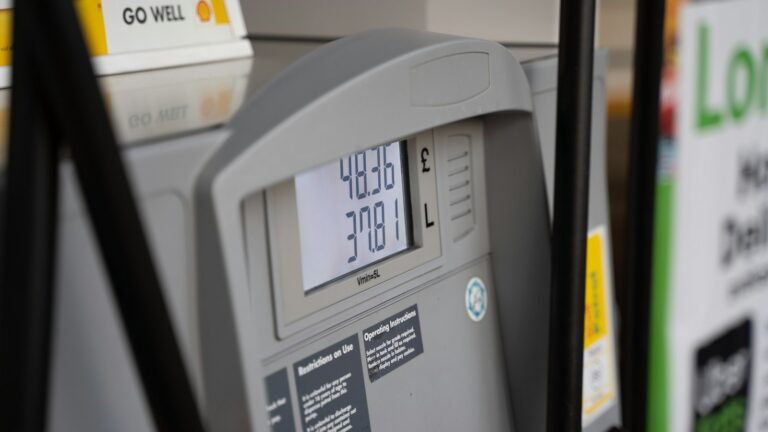
Energy was the clear driver. A 9.1% seasonally adjusted jump in gasoline, which the BLS notes was 6.5% before seasonal adjustment, accounted for more than half of the monthly increase in the overall index, according to one secondary analysis of the data. Fuel oil also climbed sharply, while electricity was roughly flat and natural gas slipped slightly.
That matters for household budgets because fuel costs are visible and frequent. Real weekly earnings, which adjust paychecks for inflation, fell 0.5% in September, a reversal from a 0.2% gain in the prior month, based on reported figures.
Why Core Inflation Is the Real Story
Central bankers often look past volatile energy prices, since swings at the pump can reverse. The difficulty this month is that the underlying categories are not especially calm. Shelter rose 0.4%, owners’ equivalent rent rose 0.3%, and services excluding energy rose 0.4% on the month, according to a secondary summary of the release. Used car prices rose 0.7% on the month but remain below year-ago levels.
Grocery prices offered some relief, with food at home down 0.1% in September and up 1.8% over the year. Food away from home rose 0.2% on the month and 3.5% annually, a reminder that restaurant costs continue to run well ahead of supermarket costs.
A core reading of 2.6% is still much lower than the headline figure. Even so, the direction is up, and that makes the argument that energy is a one-off harder to sustain if pricing pressure keeps spreading.
What It Means for the Fed
The Fed raised its policy rate by 25 basis points to a range of 3.75% to 4.00% on September 16, reportedly by a unanimous vote. The next meeting is scheduled for October 27-28.
Before the CPI report, futures markets priced about a 21% chance of another hike at that meeting. Afterward, that estimate jumped to roughly 47%, according to one market report, while another cited about 54% from the CME FedWatch tool. The exact figure moves with each data release, but both point to a sharp repricing. Expectations for total tightening through the end of 2026 also rose.
Markets reacted in familiar ways: the dollar firmed against the euro and yen, short-term Treasury yields rose, and S&P 500 futures dipped in early trading following the release.
What to Watch Next
- The October 27-28 FOMC meeting: the first chance for the Fed to respond to this report.
- The October CPI report: scheduled for Tuesday, November 10, 2026.
- Gasoline prices: a pullback would ease headline inflation quickly, while further gains would keep pressure on both consumers and policymakers.
- Core services and shelter: persistent strength here would signal inflation broadening beyond energy.
Practical Takeaways for Households and Investors
Higher expected policy rates tend to keep borrowing costs for credit cards, auto loans and adjustable-rate debt elevated, and they can support savings and money market yields. Equity investors may see more volatility around rate-sensitive sectors until the inflation path becomes clearer. Single data points can be revised or reversed, so a diversified, long-term plan generally matters more than reacting to any one report.
This article is for informational purposes only and is not investment advice. Consult a qualified financial professional before making financial decisions.
Sources: U.S. Bureau of Labor Statistics; InvestingLive; Keeping Up With Inflation.