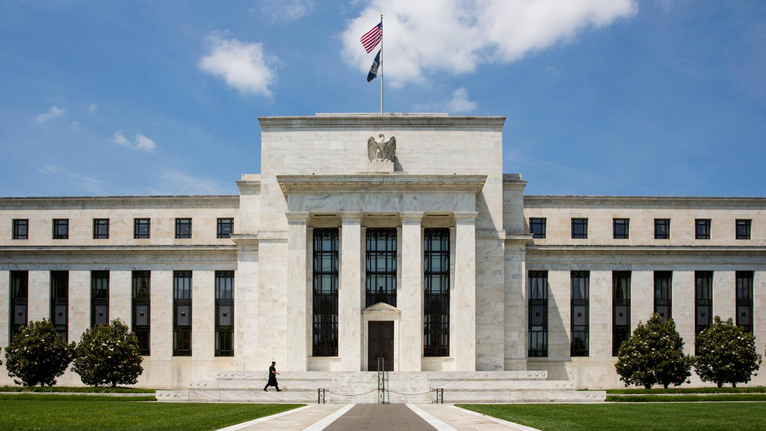
The FOMC's October 28 decision day, explained: who votes, what the Fed controls, the September hike backdrop and a checklist for reading any announcement.
The Fed raised rates to 3.75%-4.00% in September. See how one policy rate reaches your savings, credit cards, mortgage and stocks, and what to do about it.
September consumer prices rose 0.6% on the month and 3.7% on the year, with gasoline up 9.1%. Here is what drove the report, why core inflation matters, and what it could mean for the Fed's October 27-28 meeting.
Trump filed a $5 billion lawsuit against JPMorgan and Jamie Dimon over debanking claims, landing the same day stocks held near record highs on Strait of Hormuz diplomatic hopes. Here's the full picture of today's market news and why bank stocks diverged from the broader rally.
The Fed's first rate hike since 2023, a $1.97 trillion deficit, and resilient jobless claims all converged this week. Here's how these three major stories actually connect, and what they mean for borrowers, savers, and taxpayers.
Oil above $101, Treasury yields at 52-week highs, a tripled Treasury buyback, and Apple's foldable debut — this week has it all. Here's a roundup of today's biggest financial stories and what's still ahead before Friday's CPI.
The Fed's September 16 rate decision is a genuine coin flip, with markets pricing roughly 57% odds of a hike after a strong August jobs report. Here's what's at stake, what data could still shift the odds, and why this meeting carries extra weight.
summary:Mortgage rates are rising again because the 10-year Treasury yield has moved higher, inflation remains above the Federal Reserve’s target, and investors are demanding more compensation for long-term lending risk.…
The Fed's September 16 rate decision is genuinely uncertain, with odds swinging from 30% to 62% hike probability in just weeks. Here's what's driving the volatility, what the Fed's own projections show, and what it actually means for your savings.