
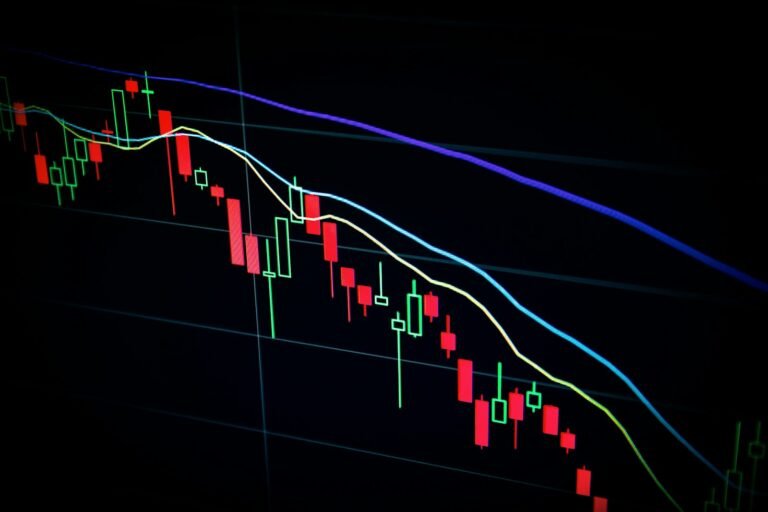
You have a sum of money ready to invest, and the market looks uncertain. Do you put it all in today, or feed it in gradually over several months? This is one of the most common questions new and experienced investors ask, and the honest answer is that both strategies have merit. The right choice depends on math, but just as much on psychology.
Defining the Two Approaches
Lump-sum investing means deploying all of your available cash into the market at once. Dollar-cost averaging (DCA) means splitting that money into equal portions and investing them at regular intervals, such as monthly, regardless of what prices are doing. If you contribute to a workplace retirement plan from every paycheck, you are already practicing a form of DCA.
The Case for Lump-Sum Investing
Historically, markets have tended to rise more often than they fall over long horizons. If that tendency holds, money invested earlier has more time in the market than money waiting on the sidelines. Many analyses comparing the two methods over long historical periods have found that lump-sum investing has often come out ahead more frequently than not, simply because cash waiting to be invested misses out during upward stretches.
That said, past patterns are not a guarantee, and averages hide individual experiences. A lump sum invested right before a sharp decline can feel painful, and the result depends heavily on when you start.
The Case for Dollar-Cost Averaging
DCA does not promise higher returns. What it offers is a smoother ride and a simpler decision. Because you invest a fixed amount on a schedule, you buy more shares when prices are lower and fewer when prices are higher. That mechanical discipline reduces the risk of committing everything at an unlucky moment and removes the temptation to time the market.
For many people, the biggest benefit is behavioral. Investors who would otherwise freeze, waiting for a perfect entry point that never seems to arrive, often do better by committing to a plan and sticking to it.
Regret: The Hidden Variable
Behavioral finance suggests that losses tend to sting more than equivalent gains please us. If you invest a large sum and the market dips the next week, you may be tempted to sell at the worst time. If you spread purchases out and the market rises immediately, you may feel regret at having waited. Neither feeling is irrational, but each can lead to poor decisions if you are unprepared for it.
A useful exercise is to ask yourself which outcome you could live with more easily. The best strategy is the one you can actually follow through a volatile stretch without abandoning it.
When Each Approach Tends to Make Sense
- Lump sum may fit if: you have a long time horizon, a diversified plan, and the emotional resilience to tolerate short-term swings without selling.
- DCA may fit if: you are investing a sum that feels large relative to your net worth, you are new to investing, or you are concerned about the discomfort of a quick decline.
- DCA is the natural choice if: your money simply arrives over time, such as from a salary. In that case you are investing as cash becomes available, which is not really a choice between strategies at all.
A Middle Path
The two methods are not mutually exclusive. Some investors put a meaningful portion in immediately and invest the remainder over a few months. This compromise captures some of the early market exposure while softening the risk of regret. There is no universally correct split, so choose one that matches your comfort level and write it down before you begin.
Common Pitfalls to Avoid
- Stretching DCA out too long. A very long schedule leaves a large portion of your money in cash for years, which can drag on long-term growth.
- Abandoning the plan midway. Pausing contributions when markets fall defeats the purpose, since lower prices are when DCA buys more.
- Ignoring costs. If your broker charges per-trade fees, frequent small purchases could erode returns. Many platforms now allow commission-free investing, but check yours.
- Neglecting diversification. Neither approach protects you from concentrating in a single stock or sector. Your choice of investments matters more than your timing method.
Keep Your Emergency Fund Separate
Whichever method you choose, only invest money you will not need in the near term. Keeping a cash cushion for emergencies prevents you from being forced to sell investments at an inopportune time, which is a bigger threat to returns than most timing decisions.
The Bottom Line
Lump-sum investing leans on the market’s long-run tendency to rise, while dollar-cost averaging leans on discipline and emotional comfort. Neither one eliminates risk or guarantees a result. Pick the approach that you will stick with, keep your portfolio diversified, and focus on time in the market rather than timing it.
This article is for general educational purposes only and is not investment advice. Investing involves risk, including the possible loss of principal. Consider speaking with a qualified financial professional before making decisions.