
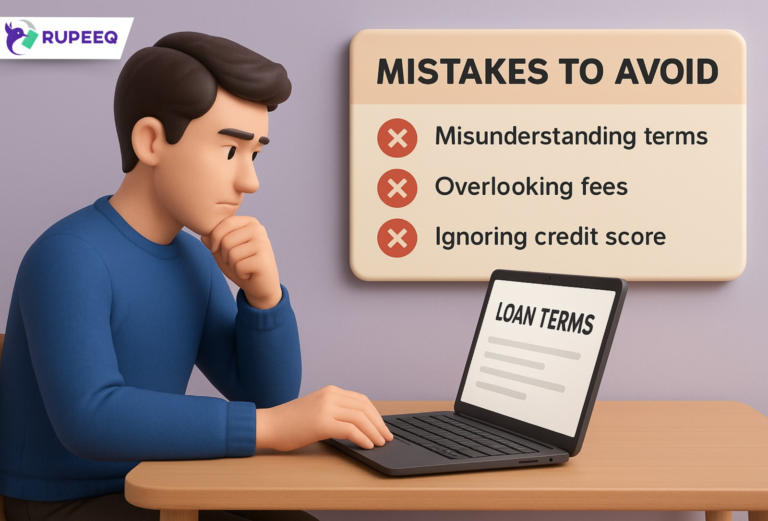
Personal loans are advertised as financial lifelines — fast money, easy approval, flexible repayment. But behind the glossy promotions and “instant cash” messaging lies a financial decision that could silently sabotage your budget and bleed your savings. This article explores why personal loans often become far more expensive, stressful, and damaging than most people realize — and how a seemingly harmless loan could be the worst financial move you make this year.
Personal Loans: The Sneaky Debt That Feels Safe
Unlike credit cards or payday loans, personal loans feel responsible.
You’re given a fixed amount.
You’re given a fixed repayment schedule.
You’re given clear monthly payments.
On paper, that looks safe… predictable… manageable.
But here is the psychological trick:
A predictable monthly payment feels comforting — even if it’s quietly destroying your long-term financial flexibility.
Personal loans create the illusion of stability while locking you into years of financial immobility.
The Real Cost of Borrowing: You Pay More Than You Think
Most people accept a loan based on a simple mental calculation:
“I can handle $180 a month.”
But that’s only the visible part.
What’s INVISIBLE:
- Origination fees
- Processing fees
- Early payoff penalties
- Late fees
- Interest recalculation
- Risk-based rate adjustments
- Insurance add-ons
Borrow $10,000 at 14% APR over 48 months…
You’re not paying back $10,000.
You’re paying back ~$13,000 — $14,200.
That $4,200?
That’s the cost of using money before you earn it.
And lenders profit from people not doing this math.
The Trap of Easy Approval: Why “Fast Loans” Are Red Flags
If a lender makes it incredibly easy to get approved…
- No collateral
- No questions
- No hard credit check
- No income verification
- Instant transfer
…you can be sure they are compensating for the risk with HIGH interest and STRICT penalties.
You’re not getting:
“Friendly financing”
You’re getting:
“Risk-priced lending”

Real-Life Story: The Loan That Turned Into a Financial Burning
Meet Daniel, age 33.
He took a $7,500 loan to cover moving costs and a short-term employment gap. His monthly payment was $173. Not bad.
But then:
- His credit card expired → autopay failed
- His payment was 7 days late
- His interest rate jumped
- A $45 late fee was added
- Another $32 “processing fee” applied
- His credit score dropped 68 points
Within 2 months — his “manageable” loan became a bottomless expense.
Dan didn’t borrow recklessly.
He made ONE oversight.
Personal loan terms are designed to punish even small mistakes.
Is a Personal Loan Actually Solving a Problem — or Delaying One?
A personal loan FEELS like relief.
But what it actually provides is:
temporary comfort at permanent cost.
You’re taking:
- tomorrow’s income
to pay for - today’s problem
This is financial time-shifting, and it almost always:
- reduces future savings
- restricts future opportunity
- increases dependency on debt
It buys emotional relief now,
and sells your future financial freedom later.
The Emotional Side of Borrowing: Why Smart People Make Bad Loan Decisions
People don’t borrow because they’re irresponsible.
People borrow because they’re human.
Personal loans are often triggered by:
- stress
- urgency
- embarrassment
- pressure
- scarcity mindset
- impulse
Nobody is at their best financial judgment when they’re overwhelmed.
Loan marketing exploits emotional vulnerability:
- “You deserve this.”
- “Stop worrying.”
- “Take control.”
- “Get peace of mind.”
- “You’re approved!”
Borrowers buy emotional security — not financial logic.
Interest Isn’t the Biggest Danger — COMMITMENT Is
Here’s something most people never think about:
A personal loan is not just an interest expense — it’s a time contract.
For 24–60 months, you are committing a portion of your future paycheck to pay for a past action.
Your financial future is:
- locked
- predicted
- allocated
- obligated
And when emergencies hit — and they always do — that fixed loan payment squeezes everything else.
The Silent Killer: Opportunity Cost
Let’s say instead of paying $200/month toward a loan…
You invested $200/month:
- Stock market average annual return: ~10%
- Over 5 years: $200 → $15,600
- With compounding: even more
But with a loan…
You LOSE the $200
You LOSE the compounding
You LOSE the flexibility
You LOSE the security
You LOSE the opportunity
This is the hidden financial loss no loan contract mentions.
When a Personal Loan Is Especially Dangerous
It’s likely hurting you if:
- It was emotional or rushed
- It financed non-essential purchases
- It replaced savings
- It increased financial stress
- It caused monthly budget strain
- It lowered credit score
- It limited future borrowing power
- It created regret or resentment
- It decreased net worth
If you feel WORSE after taking the loan than before — the loan is harming you.
The Rare Cases Where a Personal Loan Might Be OK
(But still risky…)
- Consolidating high-interest debt at a lower APR
- Emergency medical costs
- Car repair needed for employment income
- Preventing eviction or utilities shutoff
- Avoiding high-interest payday lending
Even then — the loan must be:
- fixed APR
- no hidden fees
- no early payoff penalties
- manageable monthly payments
- repayment strategy in place
Even a “good loan” is still a financial burden — just a tolerable one.
If You Already Have a Personal Loan — What Now?
Here are tactical steps:
- Pay more than the minimum
- Avoid missing ANY payments
- Refinance ONLY if conditions improve
- Track total repayment, not just monthly
- Avoid adding new debt
- Build emergency savings buffer
- Automate payments correctly
- Pay attention to card expiration dates
- Look into hardship provisions if needed
You must actively manage the loan — not passively “hope it works out.”
10 Frequently Asked Questions About Personal Loans
1. Are personal loans bad for your credit?
They can hurt your score if payments are late or if debt-to-income ratio rises.
2. Is a personal loan better than credit card debt?
Only sometimes — if the loan interest rate is substantially lower.
3. Should I take a personal loan for non-essential purchases?
No. This is one of the worst uses of borrowed money.
4. Do lenders intentionally hide fees?
They don’t hide them — they bury them inside long contracts most people don’t read.
5. Can late payments increase interest rates?
Yes — many loans include penalty APR escalation.
6. Do personal loans trap you financially?
They can — by locking a portion of your income for years.
7. Is refinancing a good solution?
Only if it reduces total interest AND doesn’t extend repayment excessively.
8. Should I take a loan during an emotional crisis?
Ideally NO — emotional borrowing clouds judgment.
9. Can a personal loan ever be a smart move?
Rarely — and only in strategic, calculated circumstances.
10. What’s the #1 warning sign a loan was a mistake?
If financial stress increased after borrowing instead of decreasing.

Final Thought: Borrowing Is Easy. Repayment Is Hard.
Taking a personal loan is effortless — approval often takes less time than ordering a pizza. That’s by design.
But repaying the loan?
That’s a multi-year commitment.
A personal loan can either:
- solve today while sacrificing tomorrow
or - be avoided altogether by smarter financial planning
You don’t need less money.
You need fewer obligations.
This year, before you borrow — ask:
“Will this loan expand my life — or shrink it?”
Because for many people, a personal loan becomes the doorway to years of financial pressure they never expected.