

A Sleep-At-Night Portfolio helps investors stay calm, steady, and profitable—no matter how volatile markets become. By blending diversified assets, defensive sectors, and disciplined risk management, this strategy lets you capture long-term growth without emotional stress. This guide explains how to build such a portfolio, why it outperforms panic-driven investing, and how it enables everyday Americans to profit from uncertainty while protecting their financial peace.
Introduction
Market volatility has become the new normal. Every week seems to bring a fresh dose of uncertainty—rate hikes, inflation surprises, geopolitical tensions, recession fears, tech layoffs, or unexpected earnings shocks. For many Americans, these market swings fuel anxiety, insomnia, and emotional decision-making that sabotages long-term wealth.
But here’s the truth: you don’t need to fear volatility—you can profit from it.
A Sleep-At-Night Portfolio gives you the structure, stability, and strategy to stay invested, stay confident, and stay calm while your money grows.
Unlike speculative strategies or high-risk portfolios that require constant monitoring, the Sleep-At-Night approach is designed to perform well in bull markets, protect you in bear markets, and keep your long-term goals on track regardless of the headlines.
This article breaks down everything you need to know to build a portfolio that preserves both wealth and peace of mind.
What Is a Sleep-At-Night Portfolio—and Why Does It Matter?
A Sleep-At-Night Portfolio is a balanced, diversified investment structure designed for long-term resilience, lower volatility, and emotional comfort. It doesn’t chase trends or attempt to time markets. Instead, it relies on proven principles such as asset allocation, diversification, and steady contributions.
Why Americans need this today:
- 62% of Americans say money stress affects their sleep (American Psychological Association).
- During volatile markets, panic selling increases by 70% among individual investors (Vanguard).
- Emotional investment decisions cause long-term returns to fall by nearly 3% per year (Dalbar).
A Sleep-At-Night Portfolio protects not only your money—but your mental health.
How Volatility Can Actually Help You Grow Wealth
Most people view volatility as the enemy. But smart investors view it as opportunity.
Volatility allows you to:
- Buy quality assets at discounted prices
- Generate higher long-term returns through dollar-cost averaging
- Rebalance effectively to capture gains
- Identify resilient assets and sectors
- Strengthen portfolio discipline
Real-life example:

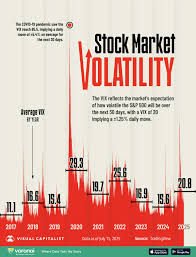
During the 2020 COVID crash, the S&P 500 fell 34% in weeks. Long-term investors who continued buying saw the market rebound more than 70% within 12 months. Emotional sellers missed out on one of the greatest recoveries in market history.
The lesson?
Volatility rewards patience—not panic.
How to Build a True Sleep-At-Night Portfolio (A Complete Framework)
To sleep well during market turbulence, your portfolio must be designed for stability, balance, and long-term growth. Below are the foundational components.
1. Start With a Diversified Core of Equity Index Funds
Equities are essential for long-term growth. But instead of picking individual volatile stocks, a Sleep-At-Night Portfolio emphasizes:
- S&P 500 index funds
- Total U.S. stock market funds
- Global equity funds
These provide broad diversification across sectors and companies.
Why this works:
Index funds reduce anxiety because they don’t rely on the success of any single company. Even during downturns, they recover as the economy rebounds.
2. Add Bonds and Treasuries for Stability
Bonds act as the emotional stabilizer in your portfolio—providing income and reducing volatility.
The most common Sleep-At-Night choices include:
- U.S. Treasury bonds (2-year, 5-year, 10-year)
- Investment-grade corporate bonds
- High-quality municipal bonds
- Short-term bond funds
Why bonds help you sleep:
When stocks crash, bonds often remain steady or rise—giving your portfolio a cushion that protects your confidence (and sleep).
3. Include Defensive Sectors That Outperform During Crises
Some sectors consistently hold up well during recessions and downturns:
- Healthcare
- Consumer staples
- Utilities
- Energy infrastructure
- Dividend-paying blue chips
Historical example:
During the 2008 financial crisis, consumer staples and healthcare companies lost far less than tech or financials. A Sleep-At-Night investor in these sectors experienced a much smoother ride.
4. Maintain a Cash Cushion for Flexibility and Emotional Comfort
A cash buffer reduces panic during downturns. It prevents forced selling and gives you the dry powder needed to buy during dips.
Ideal cash buffer:
6–18 months of expenses.
Why such a wide range?
Your job security, age, health, and dependents all affect your ideal buffer.
5. Use Alternative Investments to Reduce Correlation
Diversification is more than owning many stocks—it’s about owning assets that behave differently.
Great alternatives include:
- Real estate investment trusts (REITs)
- Gold and precious metals
- Commodities
- Infrastructure funds
- Low-volatility ETFs
These assets often move differently than the stock market, giving your portfolio more balance.
What’s the Best Allocation for a Sleep-At-Night Portfolio?
There’s no one-size-fits-all allocation, but many Americans follow this guide:
40–60% equities
(for growth)
20–40% bonds
(for stability)
10–20% cash & alternatives
(for flexibility and risk control)
The key:
You should feel calm even during extreme volatility.
If your allocation causes anxiety, it’s not a Sleep-At-Night Portfolio—it’s a Stress-All-Day Portfolio.
Why Sleep-At-Night Portfolios Outperform Emotional Investors
Emotional investors try to time markets. They chase trends, react to headlines, and panic during downturns.
Their results?
Historically, they underperform the market by 3% or more annually.
Sleep-At-Night investors:
- Stay invested through downturns
- Buy consistently
- Rebalance annually
- Ignore noisy headlines
- Allow compounding to work
Over 10–20 years, this discipline beats 90% of active investors.
What Causes Investors to Lose Sleep?
The most common triggers include:
- Watching market charts daily
- Fear of job loss
- Investing too aggressively
- High exposure to speculative stocks
- Excessive leverage or margin
- No emergency fund
- Media-driven panic
- Social media hype cycles
The Sleep-At-Night Portfolio is built to eliminate these stress points.
How Much Cash Should You Keep to Sleep Better at Night?
The right amount of cash depends on your personal risk tolerance.
Most experts recommend 6–18 months of expenses.
- If you’re younger and stable: aim for 6–9 months.
- If you have dependents or unstable income: 12–18 months is safer.
Cash isn’t wasted—it’s stability insurance.
How to Profit from Volatility Without Taking Excessive Risk
(20% pointer-style as requested)
✔ Use dollar-cost averaging
Buy automatically every month, especially during downturns.
✔ Rebalance annually
Sell assets that ran up, buy assets that fell—locking in long-term gains.
✔ Prioritize dividend-paying stocks
They generate income even when prices fall.
✔ Keep a buying-power cash reserve
Use it to buy great companies at discounted prices.
✔ Use low-volatility ETFs and defensive assets
These smooth out swings without sacrificing long-term growth.
✔ Focus on quality, not hype
Companies with strong balance sheets survive storms.
✔ Avoid checking your portfolio daily
This simple behavior dramatically reduces anxiety.
Who Should Consider a Sleep-At-Night Portfolio?
This strategy works exceptionally well for:
- Working professionals who can’t monitor markets
- Parents or caregivers with limited free time
- Investors nearing retirement
- Anyone experiencing financial anxiety
- New investors overwhelmed by volatility
- People who want long-term growth without stress
It’s a strategy for real life—not just textbooks.
How Does the Sleep-At-Night Strategy Perform During Crises?
During inflation:
Hard assets like REITs and commodities provide protection.
During recessions:
Bonds and defensive sectors cushion downside.
During interest-rate hikes:
Cash yields rise, bonds reset at higher coupons.
During bull markets:
Equities carry the portfolio to new highs.
A Sleep-At-Night Portfolio is designed to perform in all environments.
Real-Life Story: The 2008 Investor Who Stayed Calm
Linda, a 55-year-old investor, entered 2008 with a balanced Sleep-At-Night portfolio:
- 50% stocks
- 35% bonds
- 10% real estate
- 5% cash
While her aggressive friends panicked, sold at the bottom, and took years to recover, Linda stayed the course.
She was fully recovered within three years—because her portfolio was built for resilience, not speculation.
10 Trending FAQs About Sleep-At-Night Portfolios
1. What makes a portfolio “sleep-at-night”?
A balanced structure that minimizes anxiety while delivering long-term returns.
2. Can beginners use this strategy?
Yes. It’s ideal for new investors who want simplicity and safety.
3. How often should I rebalance?
Once or twice per year works well for most people.
4. Can I still get good returns using this strategy?
Yes—historically 6–10% annually, depending on allocation.
5. Should I include dividend stocks?
They add income stability and reduce portfolio swings.
6. Do I need bonds?
Bonds soften volatility and are essential for emotional stability.
7. Is cash drag a problem?
Not when cash gives you psychological comfort and buying power during dips.
8. How do REITs help?
They diversify income and add inflation protection.
9. Is this better than picking individual stocks?
For most investors, yes. It lowers risk and reduces emotional mistakes.
10. Can ETFs simplify the process?
Absolutely—ETFs are ideal for building diversified, low-cost portfolios.
Conclusion: Build Wealth Calmly, Not Fearfully
A Sleep-At-Night Portfolio isn’t just about investments—it’s about designing a life with less stress and more clarity. By combining diversified equities, stable bonds, defensive sectors, cash buffers, and consistent habits, you can profit from volatility rather than fear it.
This approach rewards discipline, emotional control, and long-term vision—three traits that always outperform panic-driven investing.
-xxx-
Video link – https://youtu.be/qTkVMGi3dFg