
Millions of Americans are seeing unexpected credit score drops—even when they haven’t missed payments. Rising interest rates, inflation-driven spending, shifting credit algorithms, and subtle financial behaviors are quietly lowering scores nationwide. This in-depth guide reveals why it’s happening, what most experts aren’t explaining clearly, and how you can protect, stabilize, and rebuild your credit score before it causes serious financial consequences.
Why Americans Are Suddenly Panicking About Their Credit Scores
If you’ve logged into your credit monitoring app recently and felt your stomach drop, you’re not alone.
Across the United States, people from all walks of life—middle-class families, high earners, retirees, freelancers, and first-time homebuyers—are asking the same question:
“Why did my credit score drop when I did everything right?”
This isn’t a coincidence. It’s not bad luck. And in most cases, it’s not because you suddenly became irresponsible with money.
Something much bigger is happening behind the scenes.
Credit scoring systems are becoming more sensitive, more predictive, and less forgiving, especially during periods of economic pressure. Inflation, higher interest rates, and growing household debt have quietly changed how risk is measured.
The result?
Responsible Americans are being penalized in ways they never expected.
What a Credit Score Actually Measures (And Why That Matters Now More Than Ever)
Most people believe a credit score is a report card for good behavior.
In reality, it’s something else entirely.
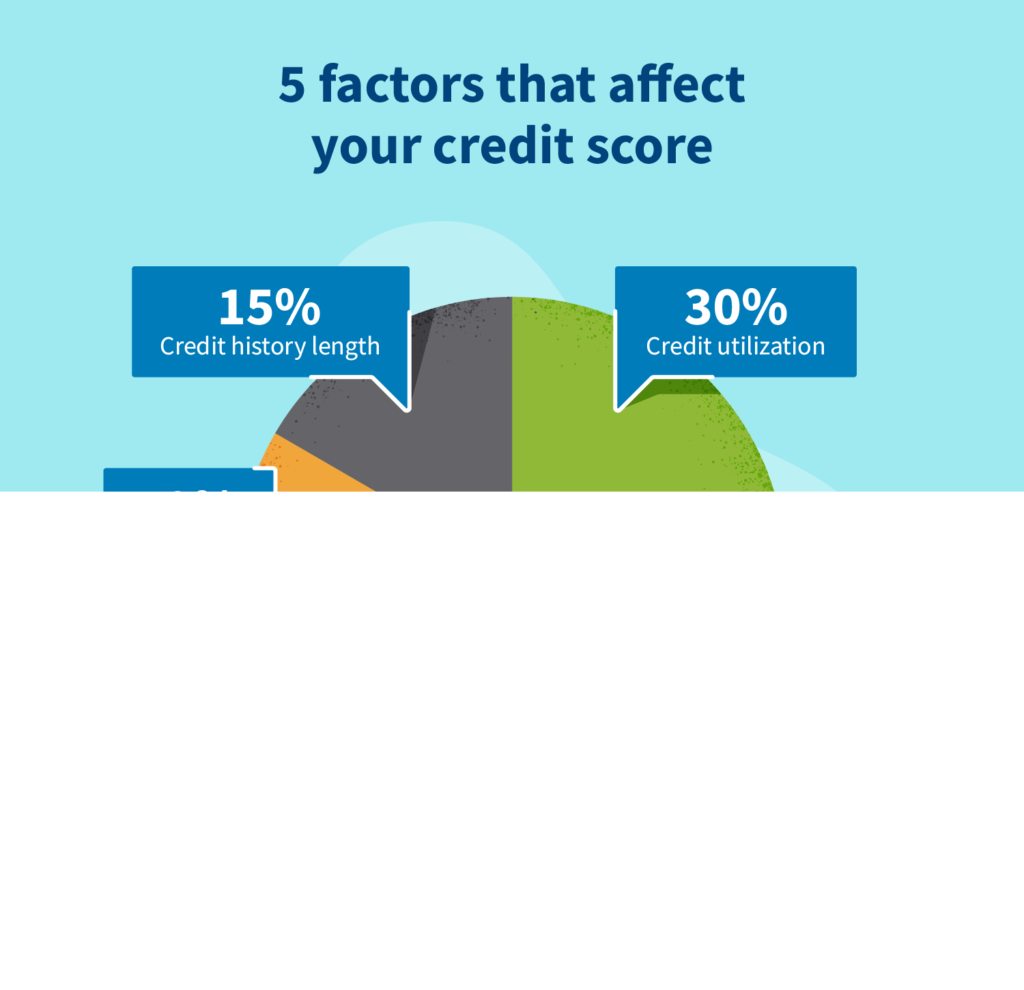
A credit score is a risk forecast, not a moral judgment. It exists to answer one question for lenders:
How likely is this person to miss payments in the future?
That means your score can fall even if nothing “bad” has happened yet.
A real-life example
Mark, a 42-year-old IT consultant in Colorado, paid every bill on time for over a decade. During the past year, grocery prices, insurance premiums, and utility costs rose sharply. He began carrying slightly higher balances on his credit cards while waiting for reimbursements from clients.
He didn’t miss payments.
He didn’t max out cards.
He didn’t apply for new credit.
Yet his score dropped by 37 points in four months.
Why?
Because the system didn’t react to his intentions—it reacted to patterns it associates with future financial stress.
Why Credit Scores Are More Fragile Right Now
1. Rising Credit Card Balances Are Being Treated as a Red Flag
Credit utilization—the percentage of available credit you’re using—has always been important. But today, it’s under heavier scrutiny than it was just a few years ago.
As more Americans rely on credit to offset rising costs, scoring models are reacting faster and more aggressively.
A balance that once looked “normal” can now look risky.
Real-life scenario
Emily, a single mother in North Carolina, used to keep her credit utilization around 15%. After inflation pushed up food and childcare costs, it rose to 32%. She still paid on time, but her score dropped by 48 points.
Nothing about her behavior was reckless—yet the model flagged higher risk.
2. Higher Interest Rates Changed the Rules Without Telling You
When interest rates rise, several things happen simultaneously:
- Minimum payments increase
- Debt takes longer to pay off
- A larger portion of each payment goes to interest
Credit scoring systems factor this in.
Two people with the same balance today may be scored differently than they would have been three years ago because the long-term cost and risk of carrying debt has increased.
This is why many Americans feel like the rules changed overnight—because, effectively, they did.
3. “Buy Now, Pay Later” Isn’t as Invisible as It Used to Be
Many consumers believe BNPL plans don’t affect credit scores. While some don’t report directly, the broader lending ecosystem has adapted.
Lenders now look at:
- Cash-flow stress
- Multiple installment obligations
- Frequency of short-term financing
Example
A young couple in Florida used BNPL for travel, furniture, and electronics. They paid every installment on time. But when they applied for a mortgage, lenders saw fragmented repayment obligations that increased perceived risk.
Their score was lower than expected—even without traditional debt problems.
4. Credit Algorithms Tighten During Economic Uncertainty
Credit scoring models don’t exist in a vacuum. When delinquency rates rise nationwide, models become more conservative.
That means:
- Small balance increases matter more
- Recent behavior outweighs long-term history
- Inactivity can be interpreted negatively
This is why even people with excellent credit histories are seeing unexplained drops.
The Dangerous Myth: “As Long As I Pay on Time, I’m Safe”
On-time payments are essential—but they are no longer enough on their own.
In today’s environment, credit scores are heavily influenced by:
- Balance trends over time
- How quickly debt accumulates
- Distribution of balances across accounts
- Changes in usage patterns
A common mistake
Linda, a retired nurse in Michigan, stopped using one credit card and relied heavily on another for everyday expenses. Her total debt didn’t increase—but her utilization became concentrated.
Her score dropped 29 points because the system interpreted the shift as increased risk.
Silent Credit Score Killers Most Americans Overlook
Many people unintentionally hurt their credit while trying to be responsible.
Common examples include:
- Closing old cards to “simplify” finances
- Letting one card carry most of the balance
- Applying for multiple “pre-approved” offers
- Holding high balances for emergencies
- Ignoring credit limit increase opportunities
Individually, these actions seem harmless. Together, they can quietly reshape your risk profile.
Real-Life Situations Where Credit Scores Crash Without Warning
First-Time Homebuyers
Many buyers prepare for years, only to see their score dip right before approval due to:
- Furniture purchases
- Temporary balance increases
- Multiple lender credit checks
Medical Expenses
Unexpected medical bills placed on cards can spike utilization fast. Even if paid later, the damage can linger.
Income Increases That Backfire
Higher income often leads to higher spending before savings catch up—creating temporary credit stress that scoring models don’t forgive easily.
What Actually Works in Today’s Credit Environment
Instead of outdated advice, here’s what’s working right now:
- Keep individual card utilization under 30% (20% is safer)
- Spread balances across multiple cards
- Pay balances before statement closing dates
- Request credit limit increases without hard inquiries
- Avoid unnecessary new credit during volatile periods
- Monitor trends, not just the score number
These strategies align with how modern scoring systems evaluate risk today—not how they worked five years ago.
How Long Does It Take to Recover From a Credit Score Drop?
Recovery time depends on the cause:
- Utilization-related drops: 1–3 months after balances are lowered
- Hard inquiries: 3–12 months
- Missed payments: 6–24 months
- Major delinquencies: Several years
The key is consistency. Credit scores respond best to stable, predictable behavior over time.
Why This Matters More Than Ever in the US
A lower credit score can affect:
- Mortgage rates
- Auto loan approvals
- Insurance premiums
- Rental applications
- Employment background checks
In today’s economy, a credit score drop isn’t just a number—it can delay life plans, increase costs, and limit opportunities.
10 Frequently Asked Questions (Trending in the US)
1. Why did my credit score drop even though I paid everything on time?
Because rising balances, utilization changes, or algorithm sensitivity can outweigh payment history in the short term.
2. Is everyone’s credit score going down right now?
Many Americans are experiencing downward pressure due to economic conditions and stricter risk models.
3. Can inflation affect my credit score?
Yes. Inflation increases reliance on credit, which raises utilization and perceived risk.
4. How fast can a credit score drop?
Scores can change within one billing cycle—sometimes in under 30 days.
5. Does carrying a balance always hurt your score?
Not always, but carrying higher balances longer is riskier in today’s environment.
6. Do BNPL plans hurt credit scores?
Some do directly; others affect lender risk assessments indirectly.
7. Should I close unused credit cards?
Usually no. Closing cards can increase utilization and shorten credit history.
8. How long does it take to rebuild a dropped score?
Minor drops may recover in months; major drops can take a year or more.
9. Does checking my own credit hurt my score?
No. Soft checks do not affect your credit score.
10. What’s the fastest way to protect my score right now?
Lower balances before statements close and avoid unnecessary new credit.
Final Thoughts: This Isn’t About Failure—It’s About Awareness
Your credit score isn’t crashing because you’re irresponsible.
It’s reacting to:
- Economic pressure
- Changing algorithms
- Subtle behavioral signals
The Americans who stay ahead are the ones who understand these shifts early and adapt calmly—not those who panic.
Credit today is more sensitive, less forgiving, and deeply connected to broader financial trends. Awareness is your strongest defense.